The NDIS works to support a better life for Australians with significant permanent disability along with their families and carers. Our aim is to ensure that people with a disability continue to get the support they require. After you have been notified that you are eligible for the NDIS, what comes next? Let us know more about you to create a plan that caters to your individual needs.
At first, you will be sent a planning kit. This will include information that explains the planning and assessment process. Additionally, it includes a participant statement for you to complete. We will book an appointment for a planning and assessment conversation with you. You can also invite other people to the meeting to support you if you want. The conversation we have will help us to identify the support that you might need.
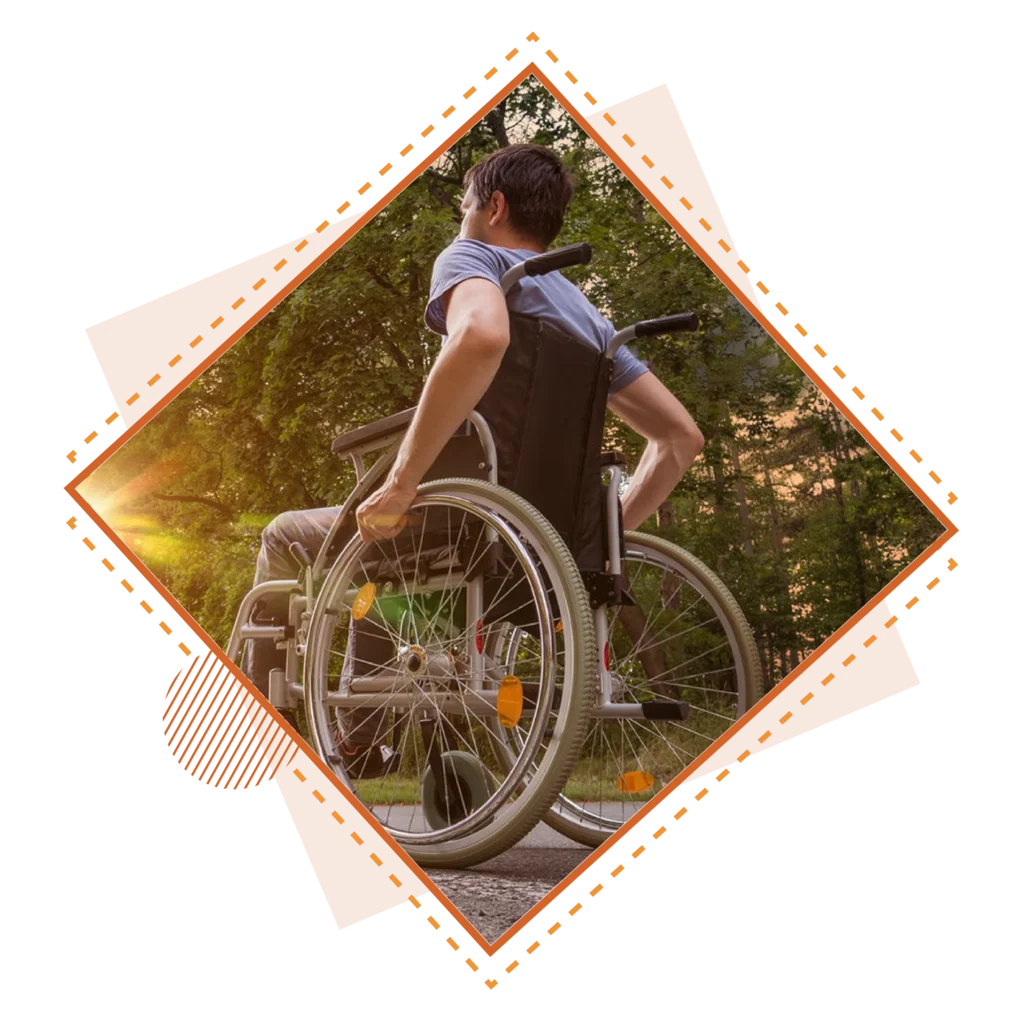
The National Disability Insurance Scheme (NDIS) provides funding to help Australians with disability access the supports they need to achieve their goals and live more independently.
Funded by the Australian Government
Gives choice and control over supports and services
Aims to improve daily living, community participation, and independence
To access the NDIS, you must meet certain criteria related to age, residency, and disability. These requirements ensure that support is given to those who need it most.
Age Requirement: Under 65 years old
Residency Requirement: Must live in Australia and be one of the following:
Australian citizen
Permanent resident
Protected Special Category Visa holder
Disability Requirement: Permanent or likely lifelong condition that affects everyday activities
You must have a permanent disability that significantly affects your ability to take part in everyday activities without support.
Disability must be intellectual, cognitive, neurological, sensory, physical, or psychiatric
The condition should be lifelong (not temporary)
Must impact areas such as:
Communication
Social interaction
Learning
Mobility
Self-care
Self-management
Common qualifying conditions include Autism Spectrum Disorder (Level 2 or 3), Cerebral Palsy, Multiple Sclerosis, and acquired brain injuries
This path supports individuals—especially young children—who may not yet have a permanent disability but could benefit from early help to improve their outcomes.
For people with conditions likely to become permanent
For children under 6 years with developmental delays
Early support can:
Reduce the need for future assistance
Improve functional abilities
Strengthen family and informal supports